A lifeguard course is a specialized training program that prepares individuals to supervise aquatic environments, prevent accidents, and respond effectively to emergencies. Lifeguards serve as the first line of defense at swimming pools, beaches, water parks, and recreational facilities, making proper training essential. By enrolling in a lifeguard course, participants gain the practical skills, knowledge, and confidence needed to protect lives and maintain a safe environment for swimmers.
What Is a Lifeguard Course?
A lifeguard course is designed to teach participants how to recognize dangerous situations, perform water rescues, provide first aid, and administer CPR. The course combines classroom learning with hands-on practice to ensure students can apply their skills in real-life scenarios.
Read More: Why Enrolling in a Lifeguard Course Near Me Is a Smart Career Move
Participants learn how to monitor swimmers, identify risks, prevent accidents, and respond quickly when emergencies occur. The goal is to develop well-rounded professionals who can remain calm and make effective decisions under pressure.
Why Lifeguard Courses Are Important
Water activities are enjoyed by millions of people every year, but they also come with risks. Drowning, injuries, and medical emergencies can happen without warning. A trained lifeguard can often prevent these incidents from becoming tragedies.
Lifeguard courses focus not only on emergency response but also on accident prevention. By learning how to identify hazards and enforce safety rules, lifeguards help create a secure environment where people can enjoy aquatic activities safely.
The skills gained during a lifeguard course can make a significant difference in protecting lives and reducing the likelihood of serious accidents.
What You Will Learn in a Lifeguard Course
Water Rescue Techniques
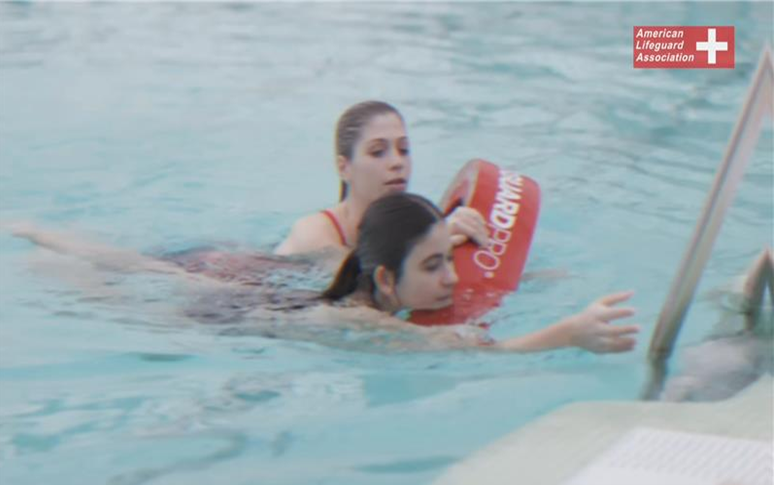
One of the most important aspects of a lifeguard course is learning rescue procedures. Students practice techniques for assisting struggling swimmers, rescuing unconscious victims, and safely removing individuals from the water.
CPR and Emergency Care
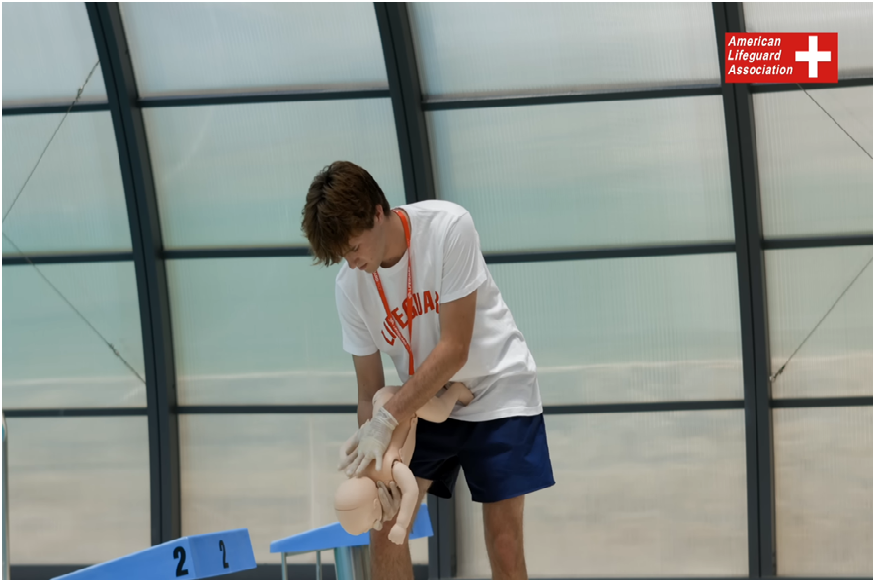
Cardiopulmonary resuscitation (CPR) and first aid training are key components of every lifeguard course. Participants learn how to respond to breathing emergencies, cardiac incidents, injuries, and other medical situations until professional help arrives.
Surveillance and Prevention
Effective lifeguards spend much of their time preventing emergencies before they happen. Courses teach scanning techniques, swimmer observation skills, and methods for identifying potential dangers in aquatic environments.
Emergency Action Plans
Lifeguards must be prepared for a variety of situations, including severe weather, facility evacuations, and major accidents. Training includes learning how to follow emergency action plans and coordinate with fellow staff members.
Communication and Teamwork
Clear communication is essential during emergencies. Lifeguard courses help students develop strong teamwork and leadership skills while learning how to communicate effectively with swimmers, coworkers, and emergency responders.
Physical Requirements for a Lifeguard Course
Because lifeguarding is physically demanding, most courses require participants to demonstrate swimming proficiency before enrollment. Candidates may be asked to complete swimming tests that assess endurance, speed, and comfort in deep water.
Read More: Lifeguard Class: The First Step Toward a Professional Lifeguarding Career
Strong physical fitness helps lifeguards perform rescues efficiently and respond quickly during emergencies. Maintaining swimming skills and overall fitness is an important part of lifeguard readiness.
Who Can Benefit from a Lifeguard Course?
A lifeguard course is suitable for anyone interested in water safety, emergency response, or aquatic employment opportunities. Students, athletes, swim instructors, and community volunteers often choose lifeguard training to gain valuable lifesaving skills.
Many participants enroll to qualify for jobs at pools, beaches, resorts, water parks, and recreation centers. Others simply want the knowledge and confidence to assist in emergencies and contribute to community safety.
Career Opportunities After Completing a Lifeguard Course
Successfully completing a lifeguard course can open the door to a variety of employment opportunities, including:
- Public swimming pools
- Private aquatic facilities
- Beaches and waterfront areas
- Water parks
- Hotels and resorts
- Summer camps
- Recreation centers
The training also provides a solid foundation for careers in emergency medical services, firefighting, healthcare, and public safety.
Benefits Beyond Lifeguarding
The advantages of taking a lifeguard course extend beyond professional opportunities. Participants develop confidence, discipline, responsibility, and leadership skills that can benefit them throughout life.
Knowing how to perform CPR, provide first aid, and respond to emergencies can be invaluable in everyday situations. These skills allow individuals to assist family members, friends, and community members when help is needed most.
Maintaining Certification and Skills
Lifeguarding requires ongoing practice and education. Many certification programs require periodic renewal to ensure lifeguards remain current with rescue techniques, CPR procedures, and safety standards.
Regular training helps lifeguards maintain confidence and readiness while improving their ability to respond effectively to emergencies.
Final Words
A lifeguard course provides essential training for anyone interested in protecting lives around the water. Through instruction in rescue techniques, CPR, first aid, surveillance, and emergency response, participants gain the skills needed to handle challenging situations with confidence. Whether pursuing a career as a lifeguard or seeking valuable lifesaving knowledge, completing a lifeguard course is an investment in personal growth, public safety, and community well-being. The lessons learned can make a lasting difference and help save lives when every second counts.