
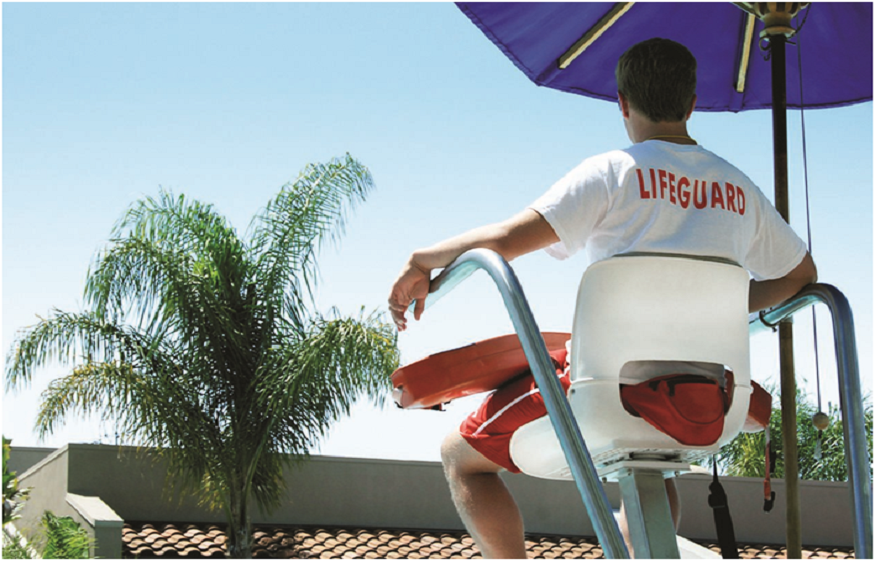
A lifeguard class is the foundation of a successful career in aquatic safety. Whether you want to work at a swimming pool, beach, water park, resort, or recreational facility, completing a professional lifeguard class is essential for gaining the skills and certification required to protect lives in and around the water.
Lifeguards are responsible for much more than watching swimmers. They are trained professionals who prevent accidents, recognize emergencies, perform water rescues, and provide first aid and CPR when needed. A well-structured lifeguard class prepares participants for these responsibilities through a combination of classroom instruction, practical exercises, and real-world rescue scenarios.
This article explains what a lifeguard class involves, the skills you will learn, the benefits of certification, and why proper training is critical for aquatic safety.
What Is a Lifeguard Class?
A lifeguard class is a comprehensive training program designed to teach individuals how to supervise aquatic environments and respond effectively to emergencies. The course combines theoretical knowledge with hands-on training to ensure participants are prepared for real-life situations.
Read More: hen Safety Fades at the Shore: Lifeguard Shortage Crisis
Most lifeguard classes include instruction in:
- Water rescue techniques
- CPR and AED training
- First aid procedures
- Accident prevention strategies
- Emergency action plans
- Surveillance techniques
- Team communication skills
After successfully completing the course requirements and examinations, participants typically receive a lifeguard certification recognized by employers and aquatic facilities.
Why Lifeguard Classes Are Important
Water-related accidents can occur unexpectedly and require immediate action. Lifeguards are often the first responders in these situations, making proper training essential.
A professional lifeguard class helps participants:
- Develop lifesaving rescue skills
- Learn how to prevent emergencies
- Build confidence during high-pressure situations
- Understand water safety regulations
- Improve communication and leadership abilities
Without proper training, responding effectively to aquatic emergencies can be challenging and dangerous. Lifeguard classes provide the preparation needed to protect both swimmers and rescuers.
What You Learn in a Lifeguard Class
Water Rescue Skills
Water rescue training is one of the most important components of a lifeguard class. Students learn how to identify distressed swimmers and perform safe rescues in various situations.
Training often includes:
- Active victim rescues
- Passive victim rescues
- Deep-water rescues
- Submerged victim recovery
- Spinal injury management
- Multiple-victim rescue scenarios
Practical exercises help students develop confidence and improve reaction times during emergencies.
CPR and AED Training
Cardiac emergencies can happen at any time, including in aquatic settings. Lifeguard classes include CPR and AED instruction to prepare participants for these situations.
Read More: What Truly Defines a Guardian of the Water?
Students learn:
- Adult CPR
- Child CPR
- Infant CPR
- Rescue breathing techniques
- Proper AED usage
- Emergency response procedures
These skills can significantly improve survival rates during life-threatening emergencies.
First Aid Training
Lifeguards frequently provide first aid before professional medical personnel arrive. A quality lifeguard class teaches participants how to respond to common injuries and illnesses.
First aid topics typically include:
- Cuts and abrasions
- Sprains and fractures
- Heat exhaustion
- Heat stroke
- Allergic reactions
- Seizures
- Shock management
First aid knowledge allows lifeguards to stabilize injured individuals and reduce the severity of medical emergencies.
Surveillance and Prevention
Prevention is a lifeguard’s most important responsibility. Effective surveillance helps identify risks before accidents occur.
Participants learn:
- Proper scanning techniques
- Hazard recognition
- Swimmer behavior assessment
- Rule enforcement
- Risk management strategies
By preventing dangerous situations, lifeguards create a safer environment for everyone.
Teamwork and Communication
Emergency situations often require coordinated action. Lifeguard classes teach participants how to communicate effectively with fellow lifeguards, supervisors, emergency responders, and the public.
Strong communication skills improve response times and contribute to successful rescue operations.
Requirements for a Lifeguard Class
Although requirements vary by training provider, most lifeguard classes have basic eligibility standards.
Common prerequisites include:
- Meeting the minimum age requirement
- Demonstrating swimming proficiency
- Completing a swim endurance test
- Treading water for a specified period
- Retrieving objects from deep water
These requirements help ensure participants possess the physical abilities necessary for lifeguarding duties.
Benefits of Taking a Lifeguard Class
Gain Valuable Lifesaving Skills
The ability to respond effectively during emergencies is one of the most valuable benefits of lifeguard training. These skills can be used both professionally and in everyday life.
Expand Career Opportunities
Many employers require lifeguard certification before hiring aquatic staff. Completing a lifeguard class opens opportunities at:
- Public swimming pools
- Private clubs
- Beaches
- Water parks
- Hotels and resorts
- Schools and universities
Improve Physical Fitness
Swimming drills and rescue exercises enhance endurance, strength, flexibility, and cardiovascular health.
Build Leadership Skills
Lifeguards are responsible for public safety, making leadership an important part of the profession. Training helps develop:
- Responsibility
- Decision-making
- Problem-solving
- Teamwork
- Communication
Increase Confidence
Successfully completing rescue scenarios and emergency drills helps participants feel more confident in challenging situations.
Choosing the Right Lifeguard Class
Selecting a reputable training program is important for receiving quality instruction and recognized certification.
Consider these factors when choosing a class:
Accreditation
Choose a course offered by a recognized aquatic safety organization.
Qualified Instructors
Experienced instructors provide practical knowledge and professional guidance.
Comprehensive Curriculum
Look for classes that include rescue training, CPR, AED instruction, first aid, and accident prevention.
Hands-On Training
Practical experience is essential for mastering rescue skills and building confidence.
Lifeguard Certification and Continuing Education
After completing a lifeguard class, participants usually receive certification that remains valid for a specific period. Many organizations require recertification to ensure lifeguards stay current with updated safety guidelines and rescue techniques.
Continuing education helps professionals:
- Refresh rescue skills
- Learn updated CPR procedures
- Maintain certification requirements
- Improve overall performance
Staying current with training standards is essential for maintaining a high level of aquatic safety.
Final End
A lifeguard class is more than just a certification requirement it is a comprehensive training experience that prepares individuals to save lives, prevent accidents, and promote water safety. Through instruction in rescue techniques, CPR, AED use, first aid, and surveillance, participants gain the skills necessary to handle emergencies with confidence and professionalism.
Whether you are pursuing a career in aquatic safety or simply want to learn valuable lifesaving skills, enrolling in a professional lifeguard class is a worthwhile investment. The knowledge and experience gained through training can make a meaningful difference in both professional settings and everyday life.