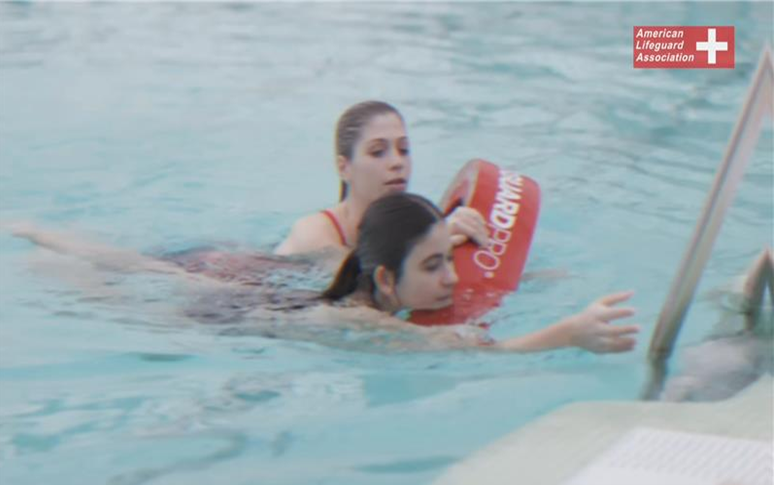

Because of a shortage of qualified life-saving personnel, the safety of beaches all over the nation is under increasing pressure. Families come to the water looking for relaxation, but the truth is that the number of qualified people watching over the coast has not matched demand. This mismatch has produced an urgent need whereby visitors unintentionally enter into a scene where immediate assistance might not always be present, and communities are desperately trying to fill gaps.
The Importance of Having Lifeguards
A lifeguard on a beach is an absolutely necessary safety measure rather than only a comfort. Tides change unpredictably; currents change fast; and inexperienced swimmers might be in danger within seconds. Capable of seeing distress signs long before they would be apparent to the average beachgoer, lifeguards provide a continuous watchful eye.
The chances of preventable accidents go up quite a bit without them. Riptides, unexpected cramps, or tiredness can catch even good swimmers off guard; therefore, professional supervision is essential.
The Escalating Staffing Issue
Communities all over have reported problems locating enough trained workers for coastal protection. Local authorities are confronted with the grim reality of needing dozens of certified people to run safe operations, even while beachgoers could perceive vast stretches of sand and water.
Read More: An Example of How to Follow a Step-By-Step Process in Doing a Biology Assignment
The difficulty lies not only in hiring but also in making sure that all recruits have received thorough lifeguard training and attained lifeguard accreditation. Fewer youngsters are stepping up to accept the arduous preparation needed to protect lives, which is both physically and emotionally taxing.
Difficulties with Training and Certification
Decades of lifeguard training have been the cornerstone of water safety. Learning to swim fast is only part of the process. Early warning signs of drowning, sophisticated rescues, use of specific equipment, and delivery of life-saving medical care in crises are all taught to Trainees. Rigorous testing shows skill mastery in these abilities through lifeguarding programs.
Although this process is quite important, it calls for a lot of time and devotion, which could turn some applicants off. Furthermore, the seasonal character of beach work often clashes with other commitments, therefore making it more difficult to draw a large pool of committed recruits.
Coastal Communities’ Effects
Insufficient enrollment in certification programs has far-reaching repercussions for whole areas. Some beaches shorten operating hours; others close swimming areas; many must rely on untrained volunteers for simple observation responsibilities. Although these strategies are superior to letting swimmers be unattended, certified lifeguards provide a degree of readiness not attainable by them.
The dearth of expert supervision adds more strain on emergency responders who may have to travel farther and spend more time getting to victims. In water-related crises, this delay might mean life or death.
Public Perception and Undiscovered Risks
The belief that all well-known beaches are fully staffed is among the worst hazards. Many times, families unwind when they witness a busy beach, thinking that safety has been taken care of. Certified people, however, do not cover every length of coastline. Many beaches already have signs warning that swimming is at one’s own risk, but these signals may go unnoticed.
Swimmers may underestimate the might of the ocean and overrate their skills in the absence of lifeguards’ overt presence. This incongruity between reality and perception raises the chance of disastrous events.
Economic Stress and Tourist Issues
The consequences of the lack go beyond safety to affect the financial health of beach communities. For their local economies, coastal regions sometimes rely very much on tourism. Should word that a beach has constrained safety resources travel, families might choose different locations, therefore lowering restaurant, hotel, and small business income. Investment in lifeguard training and guaranteed adequate certification, therefore, not only helps to save lives but also preserves the energy of seaside economies.
Seeking Solutions to Lasting Effect
Both immediate action and a long-term plan are needed to solve the problem. Increased lifeguard training possibilities will guarantee that more people view this as a doable and satisfying job. Greater public understanding of the value of professional beach safety, scholarships for certification programs, and flexible scheduling might spark new generations to step forward.
Furthermore, valuing the advantages of year-round programs instead of seasonal training, which offers more consistent availability of qualified staff, communities are starting to see their importance.
Promoting Readiness Culture
In essence, safeguarding sea coasts entails cultivating a society that values safety first. Teenagers can be motivated by their parents to see lifeguard training as more than just a summer employment but also as a chance to grow leadership, discipline, and life-saving skills. Schools and community groups can emphasize the importance of certification, demonstrating how these credentials go beyond the beach and into a lifelong collection of skills applicable in several contexts. Communities can support balance restoration and risk reduction by fostering a greater knowledge of careers in water safety.
Read More: What Truly Defines a Guardian of the Water?
The Course Ahead
Though the present difficulties are major, they are not insurmountable. Coastal communities can help to restore a robust safety network by sponsoring accessible lifeguard courses and inspiring more people to seek certification. It is absolutely important to keep in mind that every lifeguard represents not only a paid position but also many lives protected. To satisfy the rising demand, municipalities, training institutions, and national groups have to develop closer alliances.
A Call to Action
The will of people to go through demanding preparation and the dedication of communities to appreciate that service determine the preservation of the sea shores. Without this groundwork, swimmers and tourists alike face rising risks. Organizations like the American Lifeguard Association have stressed how crucial it is to provide more lifeguard certifications, foster high standards of training, and inspire a new commitment to beach safety. Supporting such projects lets society guarantee that the shores of the country stay pleasurable, calming, and safe for future generations.